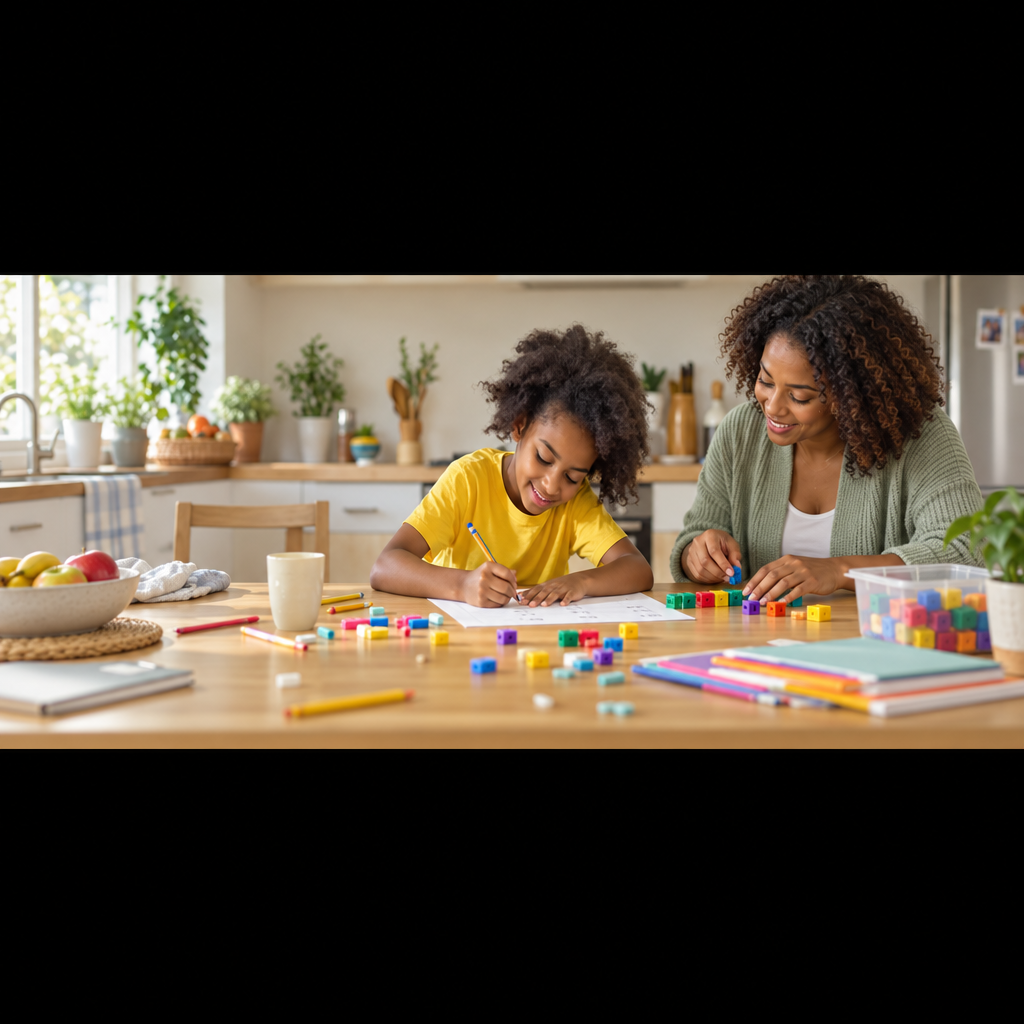
When homeschooling an 8th grader, you will likely notice a natural shift in your child’s routine, personality, and interests. They may start forming opinions about food, sleep, exercise, stress, and their own bodies. An 8th grader is capable of increased independence, but they also need guidance as they form habits.
Health and physical education at this stage can be less about “running laps and eating vegetables” and more about helping your child understand how their choices affect their energy, mood, and well-being. This is also the year when responsibility for wellness can shift from parent-led to child-led.
In this guide, we’ll look at what a strong middle school health and physical education (PE) program should include, how teaching it at home gives you unique advantages, and how to choose a curriculum that supports both physical growth and lasting healthy habits.
Overview: 8th Grade Health and Physical Education (PE) in a Home Setting
Health and PE in 8th grade is more than running a mile or memorizing the food pyramid. National standards for health education emphasize developing the skills to access reliable information, make informed decisions, practice healthy behaviors, and advocate for personal well-being.
By middle school, students should be able to design personal fitness goals, understand the components of fitness, and evaluate their own progress. SHAPE America’s National Standards for Physical Education focus on physical literacy, which they define as having the knowledge, skills, and confidence to enjoy lifelong physical activity.
In a homeschool setting, this creates unique opportunities. At home, families can integrate health and PE into daily life. For example, you can discuss nutrition while grocery shopping, prepare a meal together using healthy ingredients, track your steps while walking or during basketball practice, or practice mindful breathing between subjects as a stress-management tool.
Differences in teaching health and PE at home vs. in school
The Association for Supervision and Curriculum Development’s (ASCD) Whole Child framework emphasizes that students learn best when they are healthy, safe, engaged, supported, and challenged. Parents at home can adjust health and PE instruction to fit their child’s needs and provide that support and safe environment.
There are challenges, of course. Schools often provide gym facilities that you may not have at home or in your community. It may also be challenging to break into the world of team sports without a school connection, but remember that homeschool children are allowed and welcome to play on many local sports teams.
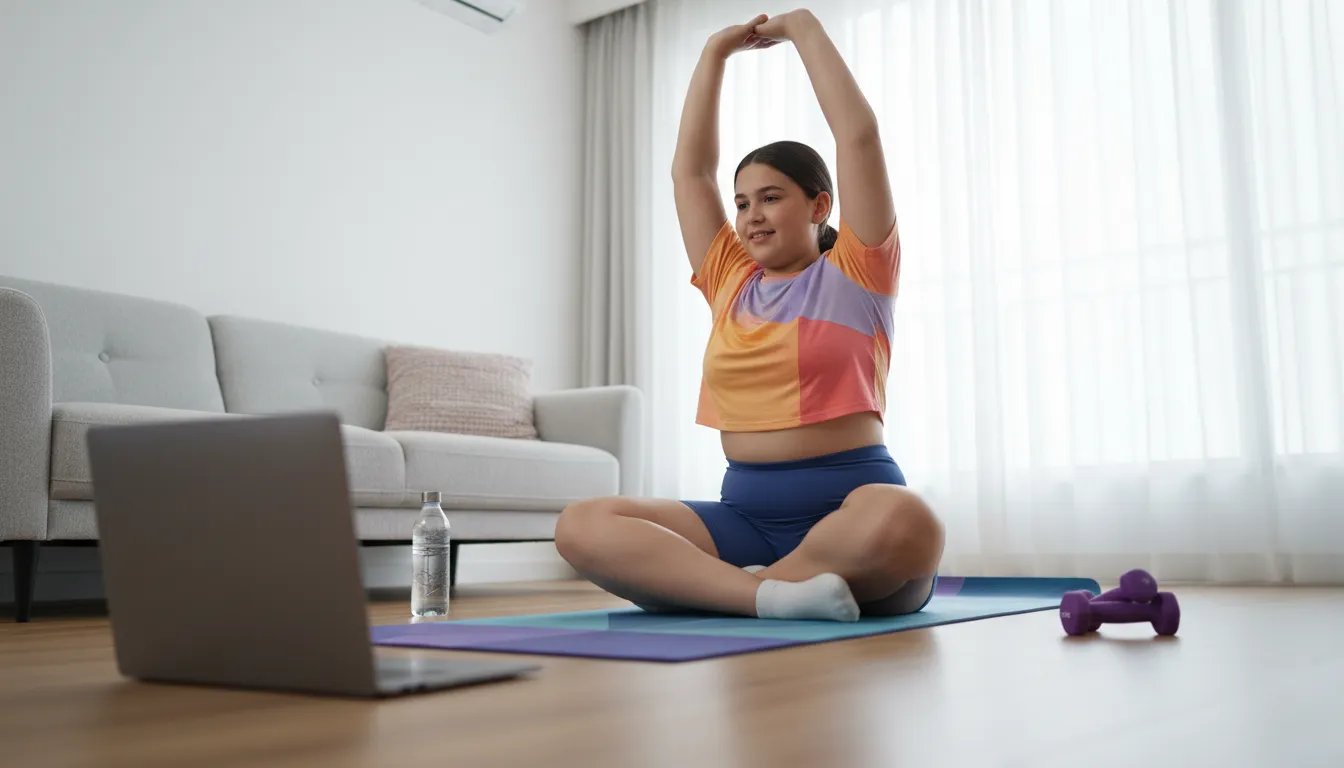
Research from the Centers for Disease Control and Prevention (CDC) shows that adolescents benefit from at least 60 minutes of moderate-to-vigorous physical activity daily, with muscle- and bone-strengthening activities included several days per week. That can happen outside a traditional gym setting. If your learner enjoys basketball, cycling, hiking, martial arts, dance, or strength training, those activities can serve as the foundation for physical education.
For example, a homeschool week might include:
- Three days of structured cardio or team sports
- Two days of strength training using bodyweight exercises
- One nutrition lesson with a meal planning component
- One discussion on stress management or personal health habits
Many middle school children in a traditional setting are anxious about health and PE, because they have to compete in sports and activities they don’t necessarily enjoy. But at home, for example, children can choose trail running over a 2-week volleyball class, or try tennis for the first time without the pressure of a school social situation.
At home, motivation may need to be more intrinsic. Research on adolescent development from the National Institutes of Health (NIH) emphasizes that middle school is a key period for developing autonomy and self-regulation. Therefore, at home, you can gradually shift responsibility to your child. Instead of simply going through the motions of goal setting, you can take the time to reflect, adjust, and make human mistakes.
Topics Covered in 8th Grade Homeschool Health and PE Curricula
A strong 8th grade homeschool health curriculum can align with national middle school expectations while remaining practical and fit your learner’s unique needs, schedule, or interests. Below are the core topics that most programs include.
Components of physical fitness
There are five basic components of fitness: cardiovascular endurance, muscular strength, muscular endurance, flexibility, and body composition. In simple terms, that means building a healthy heart, strong muscles, stamina, mobility, and an overall balanced level of fitness.
SHAPE America’s national PE standards emphasize that middle schoolers should not only participate in activity, but also understand how these pieces work together.
Personal fitness planning and goal setting
By 8th grade, students should begin setting and tracking personal fitness goals. At home, your learner might create a six-week strength plan and adjust it as progress is made.
One advantage of setting goals at home is that they can fit seamlessly into your child’s real life. Instead of feeling separate or forced, goals and healthy habits naturally become part of the daily routines.
Nutrition
The Centers for Disease Control and Prevention (CDC) encourages teaching nutrition as a life skill, not just a list of rules. That means helping students learn how to find reliable information and make thoughtful choices. At home, this could look like planning a week of lunches together, comparing ingredient labels at the grocery store, or evaluating a favorite snack and deciding how it fits into an overall balanced diet.
Mental health
Mental health is an essential part of a balanced health curriculum. The Association for Supervision and Curriculum Development’s (ASCD) Whole Child approach highlights that emotional well-being directly impacts academic performance and overall development. Lessons may include stress management strategies, recognizing emotions, and building resilience. At home, this can look like practicing breathing techniques or creating a weekly self-care routine.
Substance use prevention
By 8th grade, the Centers for Disease Control and Prevention recommends focusing on decision-making skills and understanding consequences rather than relying on fear-based messaging. The goal is to help students think ahead and recognize pressure when it shows up.
Social skills and respectful participation
Middle school is the perfect time to practice teamwork, communication, and self-control, especially during competitions or challenging activities. National PE standards highlight respectful behavior, cooperation, and responsible participation as core goals, not just athletic performance.
In a homeschool setting, this might happen through community sports, martial arts classes, or even regular family hikes and backyard games. The goal is to learn how to handle winning and losing, encourage teammates, and respond when things feel unfair.
Main Types of Homeschool Health and PE Curricula for 8th Graders
Health and PE curricula for middle school generally fall into a few categories. Understanding these can help you choose a curriculum that best suits your family's needs.
- All-in-one programs: These combine health education lessons with structured fitness plans. They often include written components, quizzes, activity tracking, and sometimes video demonstrations. This type works well for families who prefer a clear weekly structure and built-in documentation.
- Fitness or activity-focused programs: These programs emphasize physical training over written health lessons. They may include structured workout plans or sport-specific training. This model works exceptionally well for active learners or those involved in organized sports. Health topics may need to be taught separately.
- Health-focused academic programs: These programs prioritize classroom-style instruction on nutrition, mental health, safety, and decision-making. Physical activity is often logged independently. This type of program may appeal to families who want deeper discussion around adolescent health topics while managing physical activity separately.
- Online or video-based instruction: Some families prefer online health or fitness classes. These may include guided workouts, health discussions, or short courses. Online instruction is excellent for outside accountability, especially for learners who respond well to instructors outside of their parents.
Elements to Look for in an 8th Grade Homeschool Health and PE Curriculum
Not all health and PE programs are created equal. The right 8th grade homeschool health curriculum should support your child's physical development, decision-making, and independence.
Here are the key elements to evaluate.
Age appropriateness
Eighth graders are ready for deeper discussion and greater responsibility. According to the Centers for Disease Control and Prevention’s (CDC) Characteristics of Effective Health Education, middle school instruction should focus on skill-building, real-life application, and developmentally appropriate content.
You can look for a curriculum that encourages goal-setting and self-monitoring, and promotes discussion and reflection. At home, this might mean having your learner evaluate their own sleep habits and propose improvements rather than simply reading about recommended hours.
Balanced physical and health components
National physical education standards emphasize both physical competence and knowledge. That means building endurance and strength while also learning how exercise affects the heart, muscles, mood, and long-term health.
At home, this balance can look simple. For example, you might schedule several active days each week during which your child engages in cardio or strength training. Alongside that, you may include one focused health lesson.
It may also be helpful to keep a basic fitness log so your child can track progress over time. When knowledge and action grow together, habits are more likely to stick.
Practical implementation
Health and PE should fit your real life. Before choosing a curriculum, think through what your home and schedule can realistically support. A quality curriculum is organized so that real families can use real spaces and still meet their goals.
Documentation and state requirements
Health and PE requirements vary by state, especially as learners approach high school. Reviewing homeschool laws can help you determine whether you need to track hours, maintain logs, or document competencies.
Even if your state does not require formal documentation, keeping a digital or physical health and fitness record supports future transcript planning.
How to Plan or Choose an 8th Grade Homeschool Health and PE Curriculum
Planning does not have to be complicated. With a clear framework, you can design or select a program that meets standards and fits your family.
Step one: Review national expectations
Planning starts with a clear framework and a realistic look at your family’s rhythm. Begin by reviewing trusted national guidelines, such as SHAPE America’s standards and the Centers for Disease Control and Prevention’s (CDC) health education recommendations. These both outline what 8th graders should understand about health and physical activity by the end of the year.
Step two: Define your weekly structure
Then, think through your weekly structure. Decide how often your child will engage in physical activity and how often you will include health lessons.
Many families aim for regular movement several days per week, paired with one health discussion and simple fitness tracking. Having this rhythm in place prevents health and PE from slipping off the schedule during busy weeks.
Step three: Choose core resources
Next, choose your core resources. You might select an all-in-one curriculum or online classes. You may choose a team sport paired with health lessons. Alternatively, you may choose the flexibility of a blended plan and adjust as the year goes on.
Whatever you choose, if your program addresses both physical activity and health education, then you are preparing your child thoughtfully.
Step four: Build a real-life application
You can connect health and PE to real life and incorporate them into your daily routines. For example, involving your child in meal planning, helping them design a workout schedule, or tracking sleep and water intake can all connect learning to lived experience. Healthy habits are more likely to solidify over time when health and PE are a part of regular life.
Example Routine for 8th Grade Homeschool Health and PE
A realistic week does not have to be complicated. For example, you might begin the week with a cardio day, taking a walk, going for a bike ride, or playing basketball. Another day may focus on strength training using simple bodyweight exercises, paired with a discussion about how muscles work and why recovery matters. You might end the week with a long hike and a short reflection about how moving your body outside makes you feel.
The CDC recommends skill-based instruction that applies information to real life, so this could involve analyzing a nutrition label or creating a meal plan. Later in the week, your child might work on developing a physical skill, like pitching a baseball. SHAPE America emphasizes building both competence and confidence in movement, and consistent practice supports both.
The beauty of homeschooling is that this structure can shift with the seasons and with your personal needs and desires. You can incorporate the movement that makes your child feel strong and confident, and learn together how your bodies best function.
Popular Homeschool Health and PE Curricula for 8th Graders
There are several ways families structure health and PE learning in middle school. The right choice depends on how much structure, instruction, and accountability you want built in.
Outschool’s online curricula and classes
Outschool offers a range of health and physical education classes designed for middle school learners. Families may find guided fitness classes led by instructors, health and wellness discussions, goal-setting workshops, and sport-specific training sessions.
The benefit of online instruction is accountability and expert modeling. For learners who respond well to outside instructors, this can strengthen engagement. Classes can be scheduled weekly and paired with independent activity tracking at home. Outschool is also helpful with documentation and completing state requirements.
Community and activity-based programs
Some families choose to combine homeschool health lessons with local team sports, martial arts programs, dance classes, or swimming lessons. At home, you can supplement these with short health lessons to ensure balanced instruction.
Free institutional resources
Families who prefer a parent-designed curriculum can draw from trusted public resources:
Using these materials alongside structured physical activity can create a balanced program without requiring a single packaged curriculum.
Frequently Asked Questions: 8th Grade Homeschool Health and PE.
Parents often have practical questions when planning middle school health and PE. Here are a few common ones.
Can everyday activities count toward PE in 8th grade?
Yes. Walking, biking, yard work, hiking, team sports, and strength training all count as physical activity. The Centers for Disease Control and Prevention’s (CDC) recommendation focuses on total daily movement rather than a specific setting. Tracking time and intensity can improve consistency and help visualize progress.
Should an 8th-grade health curriculum include mental and emotional health?
Yes, as one component of a balanced program. The Association for Supervision and Curriculum Development’s (ASCD) Whole Child framework highlights the importance of emotional well-being in overall development. Teaching stress management, emotional awareness, and resilience can support both academic and physical wellness.
How much written work should be included in 8th grade health?
Moderate written reflection is helpful, but health and PE should not become heavily worksheet-based. Personal goal setting, short reflections, fitness tracking, and occasional written responses are typically sufficient.
Building Healthy Habits for the Future
The fundamental goal of 8th grade health and PE is for your child to understand what helps their body function optimally. Your child will start to show independence around personal wellness when they fill a water bottle without prompting, choose to run around outside to clear their head, or go to bed a little earlier because they understand how their body feels.
When health and PE are woven naturally into your homeschool week rather than treated as separate subjects, they become habits rather than assignments. The goal is steady progress and practicing healthy habits until they become a normal part of daily life.
Sources
Association for Supervision and Curriculum Development. “The Whole Child.” ASCD, www.ascd.org.
Centers for Disease Control and Prevention. “Characteristics of an Effective Health Education Curriculum.” CDC, www.cdc.gov.
Centers for Disease Control and Prevention. “Physical Activity Facts.” CDC, www.cdc.gov/physicalactivity.
Library of Congress. “Digital Collections.” Library of Congress, www.loc.gov/collections.
National Assessment of Educational Progress. The Nation’s Report Card: Physical Education Framework. National Center for Education Statistics, nces.ed.gov.
National Institutes of Health. “Adolescent Development Research.” NIH, www.nih.gov.
SHAPE America. National Standards for Health Education and Physical Education. SHAPE America, www.shapeamerica.org.


.svg)
.svg)